Christmas Offer - Get 50% off your first Office Visit!

North Park Veterinary Hospital — From Nov 1st, we’re extending our working hours! Mon–Fri: 9 AM–8 PM | Sat & Sun: 9 AM–5 PM.   |   Emergencies are welcome.

Pet Health Library

Our Amazing Gallery

English + Dogs + Breed Characteristics

Testing for Unexplained Bleeding
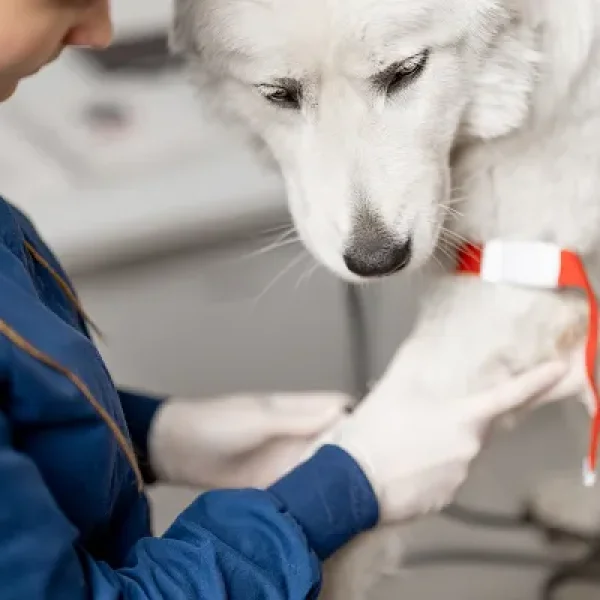
Unexplained bleeding is worrisome because it suggests a problem with the body’s blood clotting or coagulation system. Disorders of the coagulation system can arise for many reasons, including shortages of coagulation factors (clotting proteins), a shortage of platelets (a type of blood cell), defective platelets, and serious systemic disease affecting the whole body.
Testing for Sneezing and Nasal Discharge
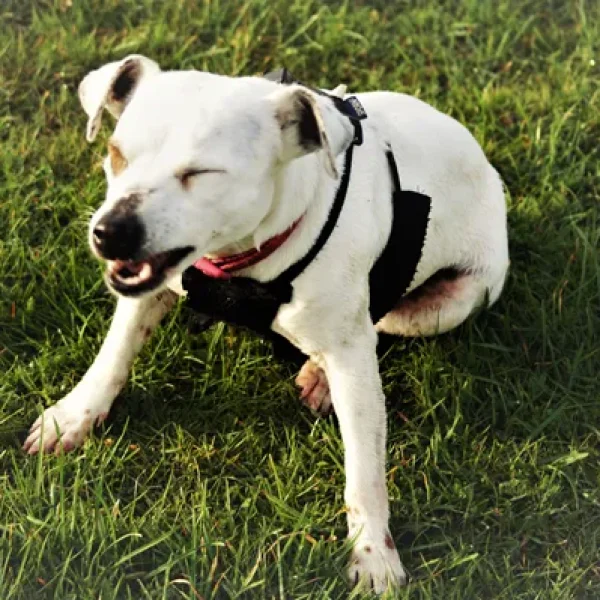
Sneezing and nasal discharge can occur for many different reasons, including infection, allergy, foreign body, and tumors. A thorough history and physical exam is the first step in diagnosing the cause of sneezing/nasal discharge. Initial screening tests are outlined, including CBC, biochemistry profile, urinalysis, and coagulation testing. Specific tests and more advanced diagnostics are also summarized.
Testing for Seizures
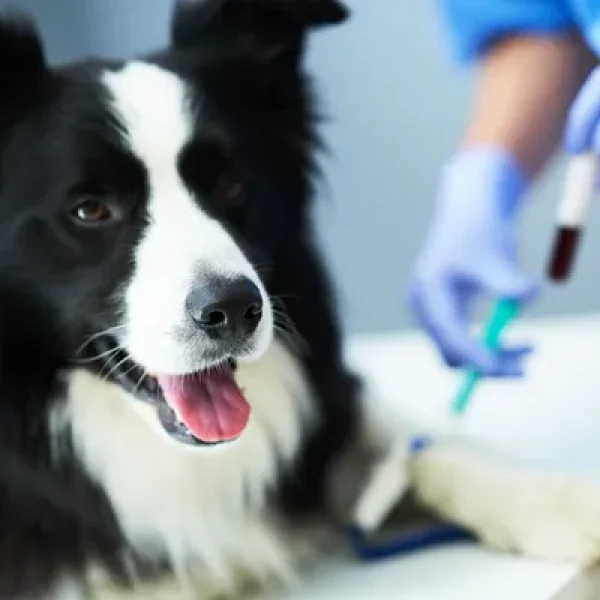
Finding the cause of a pet’s seizures can be difficult. Screening usually starts with a complete history and physical examination, followed by blood and urine tests to look for underlying diseases that can cause seizures. If the cause still cannot be identified, it is possible that they originate within the brain itself and further neurologic testing might be advised.
Testing for Pancreatic Disease
The pancreas is an abdominal organ responsible for regulating blood glucose (endocrine function) and releasing enzymes that aid in digestion (exocrine function). Problems with the pancreas can cause a variety of conditions, discussed here. Clinical signs and tests are outlined.
Testing for Pallor
In pets, pallor is usually detected as a loss of color from the gums and inner eyelids and can be a sign of anemia or poor circulation. A pet’s history of illness and a complete physical examination are important in determining the cause of the pallor. However, your veterinarian may also recommend doing screening tests such as a complete blood count, serum biochemistry and urinalysis. Additional tests may also be needed.

FILTER BY SPECIES

FILTER BY TOPIC

Book Now