Christmas Offer - Get 50% off your first Office Visit!

North Park Veterinary Hospital — From Nov 1st, we’re extending our working hours! Mon–Fri: 9 AM–8 PM | Sat & Sun: 9 AM–5 PM.   |   Emergencies are welcome.

Pet Health Library

Our Amazing Gallery

English + Dogs + Breed Characteristics

Trypsin-Like Immunoreactivity
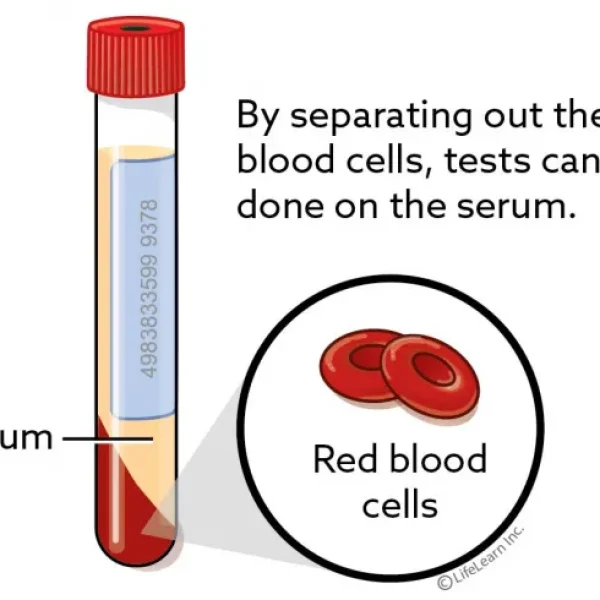
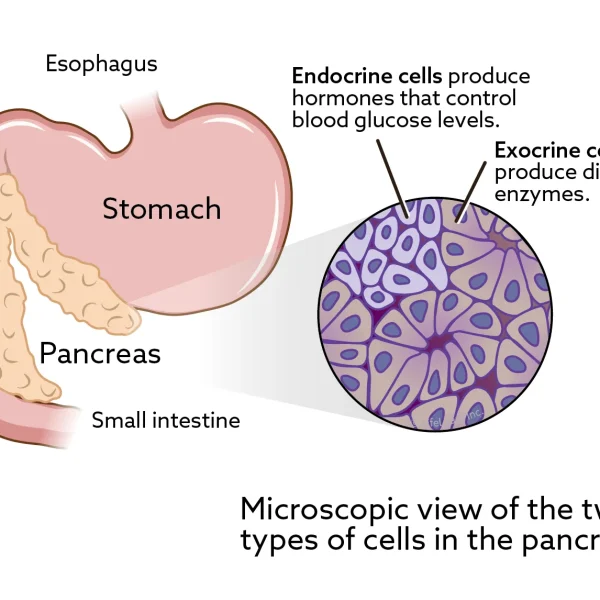
Trypsin-like immunoreactivity (TLI) is a blood test that measures the amount of a pancreatic proenzyme called trypsinogen. This measurement correlates with the amount of pancreatic enzymes released into the intestine to aid in digestion. A low measurement indicates exocrine pancreatic insufficiency. Concurrent pancreatitis or tests done shortly after a meal may temporarily increase this measurement to a normal value (false negative).
Thyroid Hormone Testing in Cats
The most common disorder of the thyroid gland in cats is hyperthyroidism. Diagnosis of hyperthyroidism includes screening the hormone output of the thyroid as well as screening for other systemic diseases. This is achieved by running a complete blood count, biochemistry panel, urinalysis, and total T4 (tT4). Additional tests may be required. Cats undergoing treatment for hyperthyroidism will have regular blood monitoring to ensure the disease is under control.
Testing for Weight Loss in Dogs
Weight loss in dogs can be caused by many conditions including inadequate intake to meet energy requirements, poor quality nutrition, and many different medical conditions. Testing for weight loss starts with a thorough history and physical exam. If the cause of weight loss is not clear, then screening tests including a CBC, biochemistry, urinalysis, and fecal tests are performed to further investigate. Based on the results of these tests, more specific diagnostic tests such as imaging, bile acids, or ACTH stimulation may be needed to determine the reason for the weight loss.
Testing for Weakness
Weakness can be caused by many different problems and can involve a variety of body systems. Finding the cause of your pet’s weakness starts with a complete history and physical examination. The most commonly recommended screening tests for weakness include complete blood count, serum biochemistry profile, urinalysis, and in a dog, total thyroxine. Additional tests may be recommended based on the results of these screening tests.
Testing for Vomiting
A pet with vomiting may suffer from an isolated incident, or it could be a sign of more severe problems. If the cause for vomiting is not obvious from history and examination, screening tests may be done to eliminate possible causes and determine a treatment plan. Results can also provide a prognosis for recovery and long-term outlook.

FILTER BY SPECIES

FILTER BY TOPIC

Book Now