Christmas Offer - Get 50% off your first Office Visit!

North Park Veterinary Hospital — From Nov 1st, we’re extending our working hours! Mon–Fri: 9 AM–8 PM | Sat & Sun: 9 AM–5 PM.   |   Emergencies are welcome.

Pet Health Library

Our Amazing Gallery

English + Dogs + Breed Characteristics

Feeding the Nursing Dog
This handout discusses the need for ensuring your pregnant dog is receiving adequate nutrition to make sure both she and her puppies thrive during this time of increased demands on her body. Feeding and diet suggestions are provided.
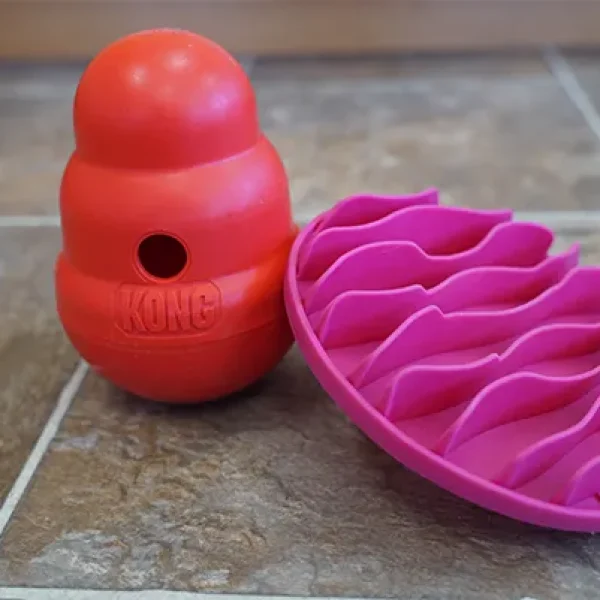
Feeding the Mind and Body Interactive Feeders for Dogs and Cats
Interactive feeders that require a pet to think and work for their food call upon the natural instinct to hunt or forage. Besides being fun, these food puzzles may help both physical and behavioral problems in cats and dogs. When used correctly, interactive feeders may benefit pets that eat too quickly, become bored when alone, or suffer from separation anxiety.
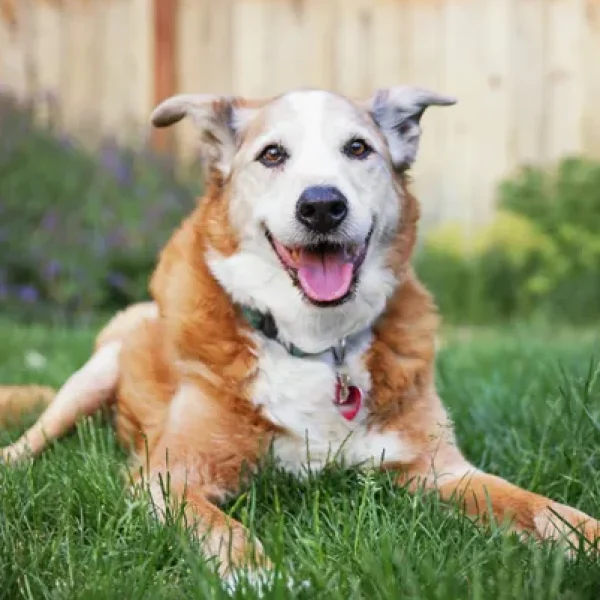
Feeding Senior Dogs
Senior dogs should be assessed by a veterinarian at least every six months. A nutritional assessment can help the veterinarian identify changing energy or nutrient requirements, which may warrant a diet change. Senior diets vary widely in nutrient profiles as there are no established standards. It remains vital that older dogs stay well hydrated. Recommendations for senior dog diets need to be based on regular evaluations and discussion between veterinarian and owner.
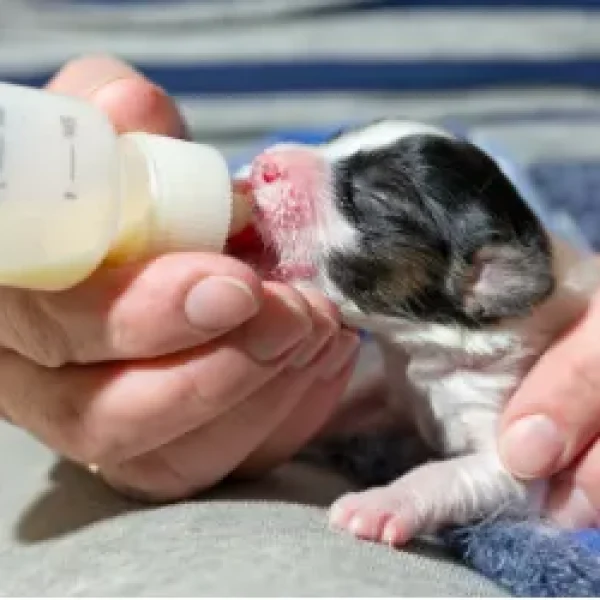
Feeding Orphaned Puppies
Orphaned puppies will need extra care for survival to compensate for the loss of their mother. Puppies must be kept warm, very clean, and fed frequently using an appropriate amount and type of formula by bottle or less often tube feeding. To ensure nutrition is adequate, daily weight checks should be performed for the first 4 weeks, then weekly thereafter. Puppies must be stimulated to urinate and defecate. Environment, feeding instruments and the puppy must be kept meticulously clean as they are more susceptible to infection than puppies cared for by their mother.

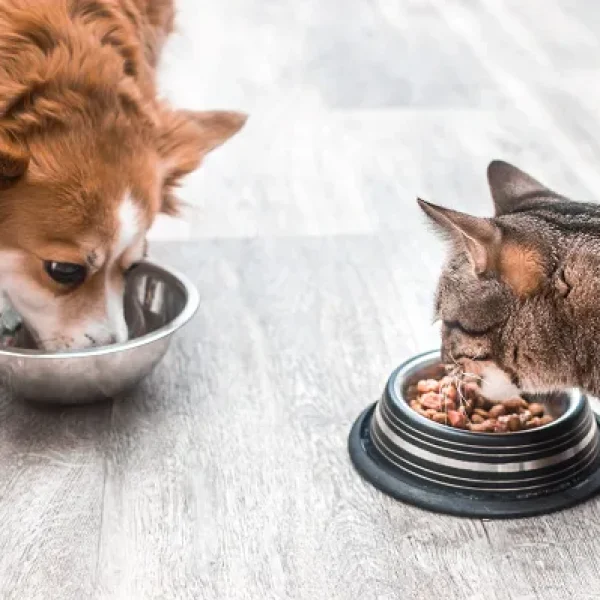
Feeding Multiple Pets
Dogs and cats have different nutrient requirements, which is why separate commercial pet foods are made for each species. Even pets of the same breed or body weight have unique calorie needs, so pet parents should feed them in separate bowls to avoid having any pets gain or lose weight. Diets designed for young growing puppies or kittens are different from adult dog or cat foods, so pups/kittens should be fed separately from adults until around the age of 11-12 months. Body condition scoring should be a part of regular monitoring to make sure each pet does not gain (or lose) weight.

FILTER BY SPECIES

FILTER BY TOPIC

Book Now