Christmas Offer - Get 50% off your first Office Visit!

North Park Veterinary Hospital — From Nov 1st, we’re extending our working hours! Mon–Fri: 9 AM–8 PM | Sat & Sun: 9 AM–5 PM.   |   Emergencies are welcome.

Pet Health Library

Our Amazing Gallery

English + Dogs + Breed Characteristics

Feeding Your Young Adult Dog
Once your dog reaches adulthood, his nutrient profile changes from when he was a puppy. Your veterinarian can help you determine what proportion of each nutrient is needed based on your dog’s lifestyle and current body condition. Avoid free-feeding and work on a meal schedule. Following these steps can help your dog lead a healthier life and avoid becoming overweight or obese.
Feeding Multiple Pets1
The food you feed your dog is the largest factor you can control to give them optimal health. The diet formulation should change over your dog’s life as he moves through the different life stages of puppy, adult, and senior. The diet type can help manage or improve many medical conditions by feeding specific nutritional profiles. Your veterinarian is always ready to help you make the best nutritional choices for your dog.
Feeding Your Dog During Cancer Treatment
With all cancer management strategies, providing optimal nutrition for your dog is essential. The metabolic effects of cancer will persist after treatment but with your veterinarian’s guidance, you can adjust your dog’s nutrient profile and potentially avoid some of these negative side effects. Carbohydrates promote cancer cell growth, while cancer cells have a difficult time using fat as an energy source, so foods that are relatively high in fat and low in carbohydrate may benefit dogs with cancer. The effects of surgery, chemotherapy, and radiation therapy will be considered when your veterinarian advises a nutrient profile, formulation, quantity, and delivery method for your dog.
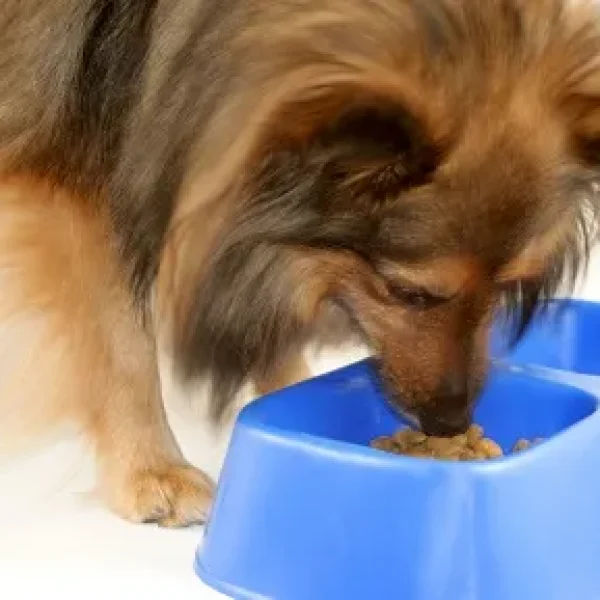
Feeding Times and Frequency for Your Dog
Feeding your dog can be easily accomplished with mealtimes on a set schedule. At least two meals per day are best for your dog. The use of food toys or interactive feeders adds interest to your dog’s mealtimes. Routines help your dog adjust to changes that may occur in your home as well as allow you to monitor his health.
Feeding the Pregnant Dog
Special attention needs to be given to a dog’s nutrition during her pregnancy to promote a healthy birth and healthy puppies. It is important to maintain a good body condition throughout pregnancy as her weight increases. A good quality adult maintenance diet is recommended during the first 40 days but after this the energy demand increases greatly and this is most easily met by feeding puppy food. This diet is usually fed throughout the lactation period, but attention to body condition is essential here as well, and the diet may need to be restricted if there is a small number of puppies or the dog starts becoming overweight. Weaning is usually aided by feeding significantly less food for a few days while restricting access to nursing to decrease milk production.

FILTER BY SPECIES

FILTER BY TOPIC

Book Now