Christmas Offer - Get 50% off your first Office Visit!

North Park Veterinary Hospital — From Nov 1st, we’re extending our working hours! Mon–Fri: 9 AM–8 PM | Sat & Sun: 9 AM–5 PM.   |   Emergencies are welcome.

Pet Health Library

Our Amazing Gallery

English + Dogs + Breed Characteristics

Maintaining Weight Loss in Dogs and Cats
Once a pet has lost some weight, the new goal is to make sure that excess weight stays off. Pet parents who partner with their veterinary health care team for support and who focus on changing their behaviors often have the most success. Examples of some changes include using a different food or a different feeding method, focusing more on portion control, and incorporating some movement or activity time into each day. This article addresses several commonly asked questions about how to help a pet during the maintenance phase (after the weight has been lost).
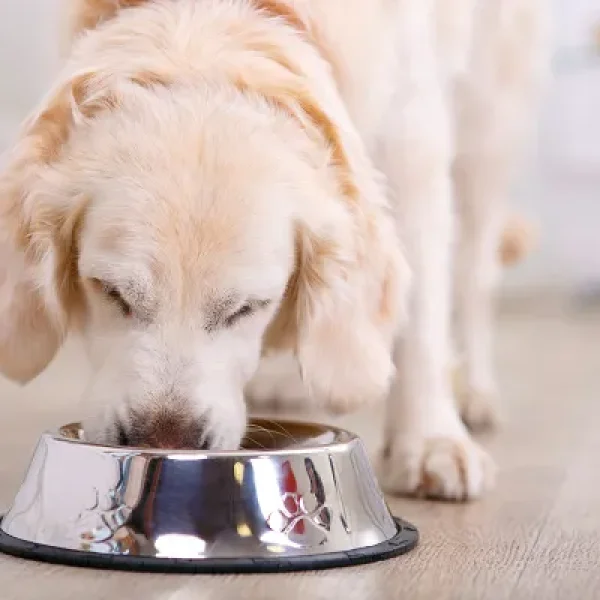
Implementing an Elimination-Challenge Diet Trial Dog
Skin and gut issues are problematic and can be caused by many things, including food allergies. The best way to identify food allergies is through an elimination-challenge diet trial, in which you eliminate potentially allergenic foods and treats for the length of the diet trial, then methodically add foods back into the diet to determine response. If a food allergy is identified, avoiding the food usually results in a good outcome, although some dogs develop new allergies in later years.
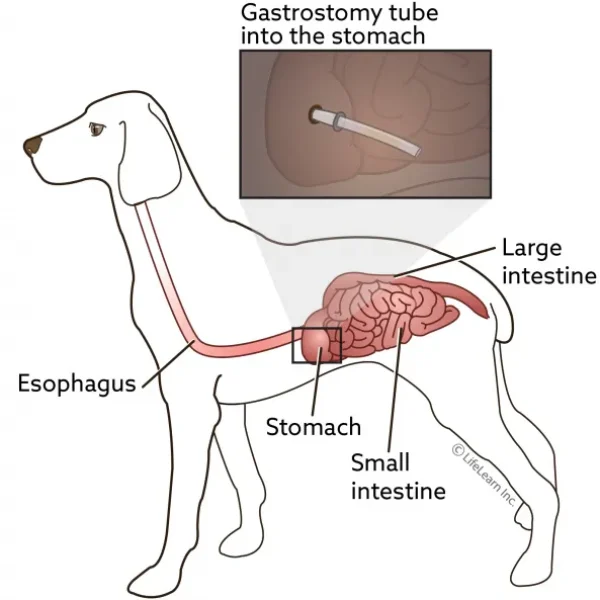
Gastrostomy Tube Feeding in Dogs
Gastrostomy tubes are placed through the skin of the abdomen into the stomach to enable long-term nutrition in dogs that either refuse to eat or are unable to chew and swallow food. A special liquid diet or homemade mixture liquefied with water will be recommended by your veterinarian. Step-by-step instructions are provided. The decision to remove the tube will be determined by your veterinarian.
Food Intolerance in Dogs
Adverse food reactions in dogs are either caused by food allergy – an immune response to something ingested or food intolerance – a non-immunological response to something ingested. Signs of food intolerance are usually only digestive in nature. Food intolerance will generally occur on the initial exposure to the food or food additive in contrast to food allergy which requires repeated exposures to develop. Different causes of food intolerance include food poisoning, or inappropriate ingestion of an irritant, reaction to food additives, histamine reactions, lactose intolerance and dietary indiscretion such as eating fat or bones. A dietary history is important in diagnosing these conditions.
Food Allergies in Dogs
Food allergies can be problematic for many dogs, especially after years on the same diet. Clinical signs may manifest as gastrointestinal or skin problems. Some animal proteins are the most common causes and strict avoidance is the best way to treat affected dogs. An eight to twelve-week elimination diet trial on a special veterinary diet is the only definitive method to diagnose a food allergy and, in some cases, the veterinary diet may need to be continued long-term.

FILTER BY SPECIES

FILTER BY TOPIC

Book Now