Christmas Offer - Get 50% off your first Office Visit!

North Park Veterinary Hospital — From Nov 1st, we’re extending our working hours! Mon–Fri: 9 AM–8 PM | Sat & Sun: 9 AM–5 PM.   |   Emergencies are welcome.

Pet Health Library

Our Amazing Gallery

English + Dogs + Breed Characteristics

Nutrition, Skin, and Dogs
This handout summarizes the strong link between good nutrition and healthy skin and fur. Issues dealing with skin are a very common reason for visits to the vet, and the role of diet and supplementation in treating these conditions are highlighted.
Nutrition - Pros and Cons of Home-Prepared Diets for Cats and Dogs
This handout discusses the risks and benefits of feeding a home-prepared versus commercial diet to your cat or dog. Topics highlighted include food safety, nutritional imbalances, and the need to ensure that any home-prepared diet has been well researched for nutritional safety and completeness.
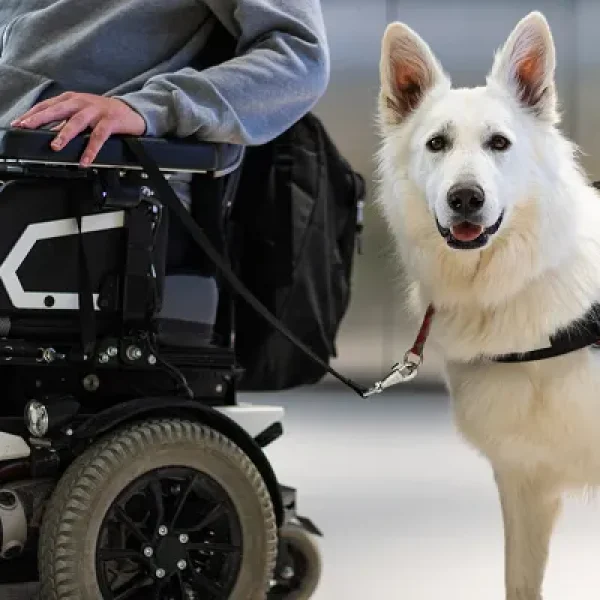
Nutrition for Working and Service Dogs
Working and service dogs come in many forms; as such, their nutritional needs vary widely. All diets should be complete, balanced, and life-stage appropriate, with consideration towards energy density and maintenance of ideal body condition. This article reviews these nutritional considerations and provides clinically relevant tools for the dog handler and the veterinary care team.

Nutrition for Inactive Adult Dogs
Over 60% of dogs in North America are either overweight or obese, so paying attention to the balance between activity and calorie intake is important. Nutrient formulation and portion control are the two most important aspects of weight control. Once you have chosen a formula and have calculated a reasonable daily portion based on calorie density, the best way to stay on track and prevent unwanted weight gain is to combine portion control with regular, formal weigh-ins.
Nutrition for Dogs with Liver Disease
Nutritional management can be an effective strategy in the treatment of liver disease when used in combination with appropriate medical therapy. The goals of nutritional management of liver disease focus on controlling the clinical signs as opposed to targeting the underlying cause. Your veterinarian will work with you to help you make the best decisions on behalf of your dog with liver disease.

FILTER BY SPECIES

FILTER BY TOPIC

Book Now