Christmas Offer - Get 50% off your first Office Visit!

North Park Veterinary Hospital — From Nov 1st, we’re extending our working hours! Mon–Fri: 9 AM–8 PM | Sat & Sun: 9 AM–5 PM.   |   Emergencies are welcome.

Pet Health Library

Our Amazing Gallery

English + Dogs + Breed Characteristics

Anticoagulant Rodenticide Poisoning in Dogs
Anticoagulant rodenticide is used to kill mice, rats, and other pests. Poisoning occurs when a dog ingests rodenticide accidentally. Anticoagulant rodenticides cause excessive bleeding by interfering with vitamin K1 recycling in the body. Vitamin K1 is needed for the body to make certain clotting factors that enable blood to clot and help control bleeding.
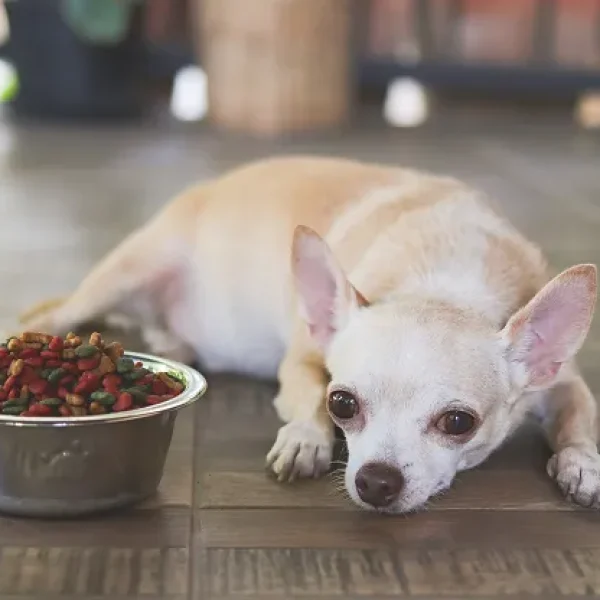
Anorexia in Dogs
A dog that does not want to eat, or is not eating, is a dog with a potentially life-threatening medical condition. Many conditions can lead to the inability of your dog to eat or lose his appetite completely. It is important to find the underlying cause so that an appropriate treatment plan can be created. Appetite stimulants may be prescribed, and in some cases, a feeding tube may be placed by your veterinarian. Decreased food intake or any change in eating habits warrants investigation by your veterinarian.
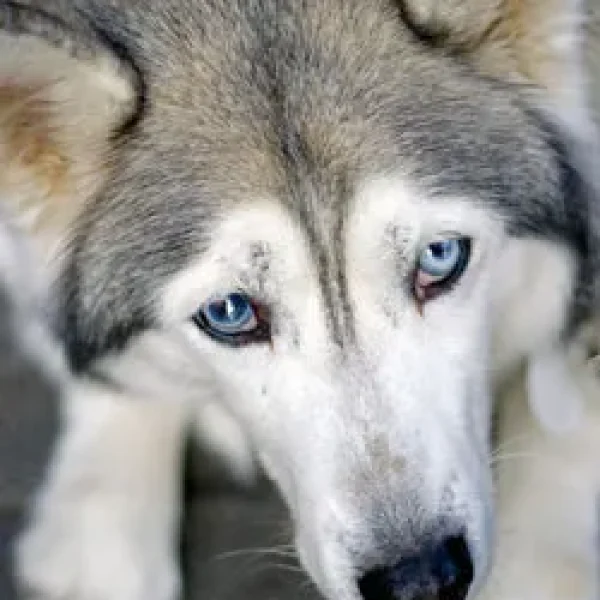
Anisocoria in Dogs
Anisocoria is a condition in which the pupils of the eyes are different sizes; one pupil is larger than the other. Anisocoria is a symptom of an underlying condition or disease that needs to be identified and treated. Prognosis is guarded pending the diagnosis and treatment. Blindness may occur as a result of the underlying condition.
Anaphylaxis in Dogs
Anaphylaxis is an acute severe allergic reaction caused by an overreaction of the body’s immune system to an allergen such as a food protein, medication, vaccine antigen, or other chemical. The most common signs include itching, cutaneous edema, hives, excessive drool, vomiting, diarrhea or respiratory distress. Diagnosis is made based on history and physical exam.
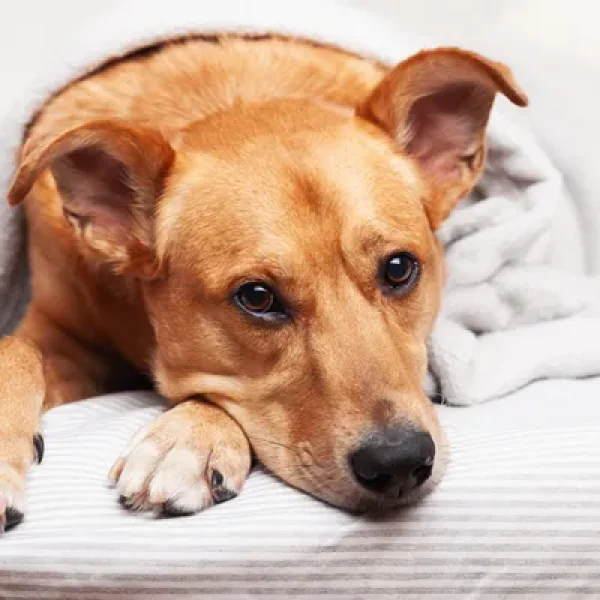
Alcohol Poisoning
Ethanol overdose by ingestion, inhalation, or skin absorption leads to alcohol poisoning. Isopropanol (isopropyl alcohol/rubbing alcohol) and methanol (methyl alcohol) can also cause alcohol poisoning. If a pet is not showing clinical signs, decontamination may be performed, including inducing vomiting (for ingestions) or bathing (for skin exposure). Other therapies are discussed. Recovery is expected within 24–36 hours of the onset of signs.

FILTER BY SPECIES

FILTER BY TOPIC

Book Now