Christmas Offer - Get 50% off your first Office Visit!

North Park Veterinary Hospital — From Nov 1st, we’re extending our working hours! Mon–Fri: 9 AM–8 PM | Sat & Sun: 9 AM–5 PM.   |   Emergencies are welcome.

Pet Health Library

Our Amazing Gallery

English + Dogs + Breed Characteristics

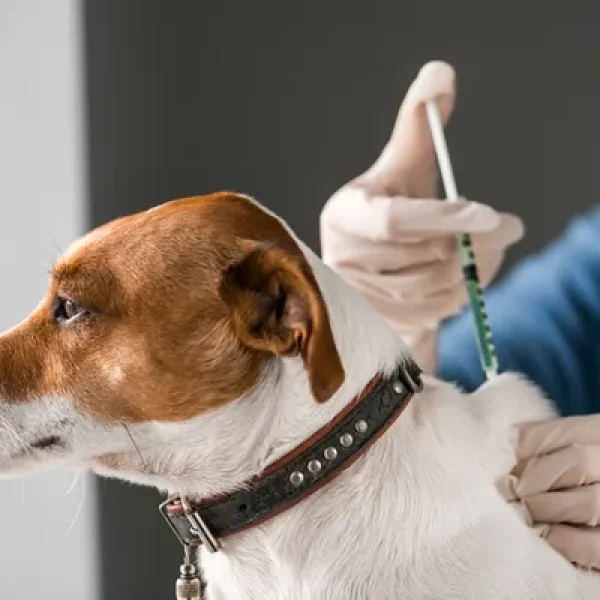
Diabetes Mellitus Insulin Treatment in Dogs
Diabetes mellitus results from an inadequate production of insulin from the pancreas. The primary treatment is replacement by insulin injections. The body’s response to the injections needs to be regularly monitored using an at-home glucometer or continuous glucose monitoring system. Insulin must be stored and reconstituted carefully to ensure dosing is accurate. Giving subcutaneous injections of insulin can seem daunting at first, but by following the directions in this handout, it will quickly become second nature to both you and your pet.

Cystine Bladder Stones in Dogs
Cystine bladder stones appear to be the result of a genetic abnormality that prevents a dog from reabsorbing cystine from the kidneys. While bladder stones in general are somewhat common in dogs, cystine bladder stones are rare. Your veterinarian may be able to palpate the stones or may need to perform imaging studies such as a bladder ultrasound or a contrast radiographic study. There are two primary treatment strategies for treating cystine bladder stones in dogs: dietary therapy to dissolve the stones, or physical removal of the stones. Cystine stones have a high rate of recurrence, despite careful attention to diet and lifestyle.
Cyanosis in Dogs
Cyanosis is a bluish discoloration of the skin and mucous membranes of the body caused by inadequate oxygen levels. Cyanosis is an emergency, and the root cause may be life-threatening and may or may not be reversible. Once back home, homecare instructions must be followed carefully.
Cyanobacteria Poisoning
Blue-green algae, also called cyanobacteria, are found in fresh and brackish water of ponds and lakes. These microscopic bacteria can also grow in backyard fountains, garden pots, bird baths, and anywhere water is stagnant. Regardless of where they are found, cyanobacteria can be dangerous.
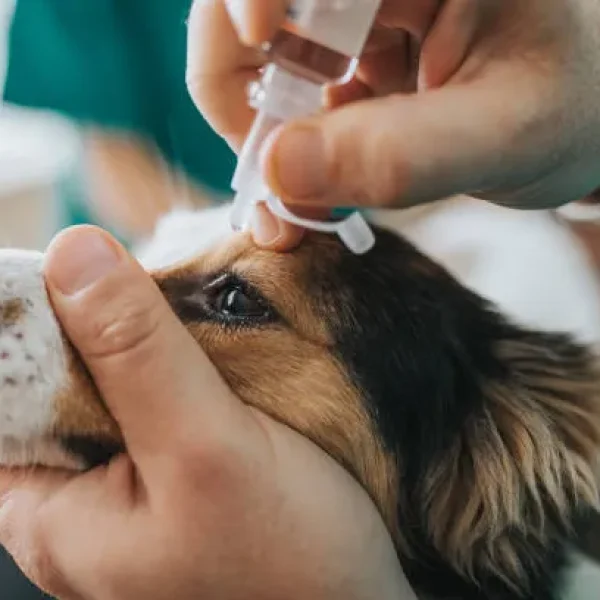
Corneal Ulcers in Dogs
The cornea is the transparent, shiny membrane that makes up the front of the eyeball. With a corneal ulcer, fluid is absorbed from the tears into the stroma, giving a cloudy appearance to the eye. The most common cause of a corneal ulcer is trauma. Less common causes of corneal ulcers include bacterial infections, viral infections, and other diseases.

FILTER BY SPECIES

FILTER BY TOPIC

Book Now