Christmas Offer - Get 50% off your first Office Visit!

North Park Veterinary Hospital — From Nov 1st, we’re extending our working hours! Mon–Fri: 9 AM–8 PM | Sat & Sun: 9 AM–5 PM.   |   Emergencies are welcome.

Pet Health Library

Our Amazing Gallery

English + Dogs + Breed Characteristics

Anthrax in Cats
Anthrax is a bacterial infection that rarely affects cats. It is not a new infection but has been revisited due to concerns about bioterrorism. Infection in cats usually occurs through ingestion of infected carcasses, causing clinical signs such as vomiting, diarrhea, and swelling of the face and neck. Treatment is highly effective in the early stages of infection.

Anaplasmosis in Dogs
Anaplasmosis is a tick-borne disease caused by the infectious bacterial organism Anaplasma phagocytophilum. It is transmitted through bites of the deer tick (also known as the black-legged tick) and the Western black-legged tick. A lesser form of anaplasmosis is caused by Anaplasma platys and is transmitted by the brown dog tick. Dogs with anaplasmosis often have many of the same symptoms as those with Lyme disease, and infection with both agents (co-infection) is not uncommon.
Abnormal Droppings in Birds
Abnormal droppings are a non-specific sign of illness in birds. Causes may range from a dietary intake of excess fruits to bacterial or viral intestinal infections and heavy metal toxicity. Any changes in the color or consistency of your bird’s droppings should be addressed by your avian veterinarian.
Diaphragmatic Hernias in Dogs
The diaphragm is the muscular partition that separates the abdomen and the chest. Tearing or disruption of this thin muscle is called a diaphragmatic hernia or diaphragmatic rupture. The most common cause of diaphragmatic hernia is blunt force trauma.
Diabetic Ketoacidosis in Dogs
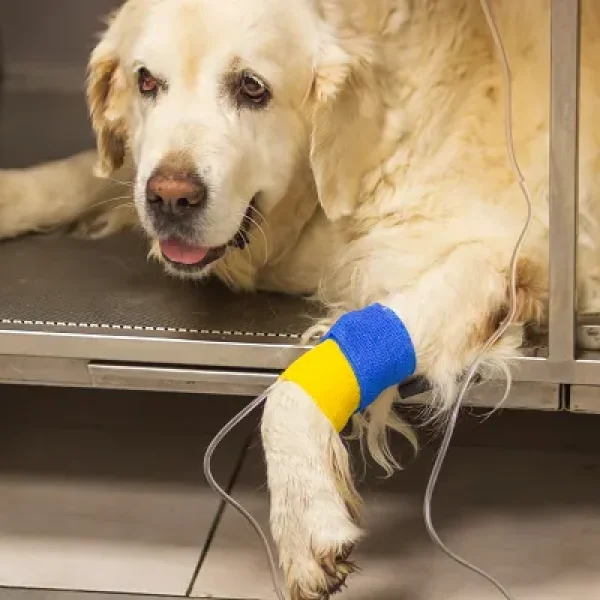
Diabetic ketoacidosis is a medical emergency that occurs when there is not enough insulin in the body to control blood sugar (glucose) levels. It is important for your veterinarian to perform appropriate tests in order to diagnose this disease as similar signs can occur with other medical conditions. Treatment involves hospitalization with IV fluids, short acting insulin and electrolyte replacement. The most important step in prevention is ensuring proper insulin dosing is being administered.

FILTER BY SPECIES

FILTER BY TOPIC

Book Now