
Christmas Offer - Get 50% off your first Office Visit!

North Park Veterinary Hospital — From Nov 1st, we’re extending our working hours! Mon–Fri: 9 AM–8 PM | Sat & Sun: 9 AM–5 PM.   |   Emergencies are welcome.

Pet Health Library

Our Amazing Gallery

English + Dogs + Breed Characteristics

Anorexia in Dogs
A dog that does not want to eat, or is not eating, is a dog with a potentially life-threatening medical condition. Many conditions can lead to the inability of your dog to eat or lose his appetite completely. It is important to find the underlying cause so that an appropriate treatment plan can be created. Appetite stimulants may be prescribed, and in some cases, a feeding tube may be placed by your veterinarian. Decreased food intake or any change in eating habits warrants investigation by your veterinarian.
Anisocoria in Dogs
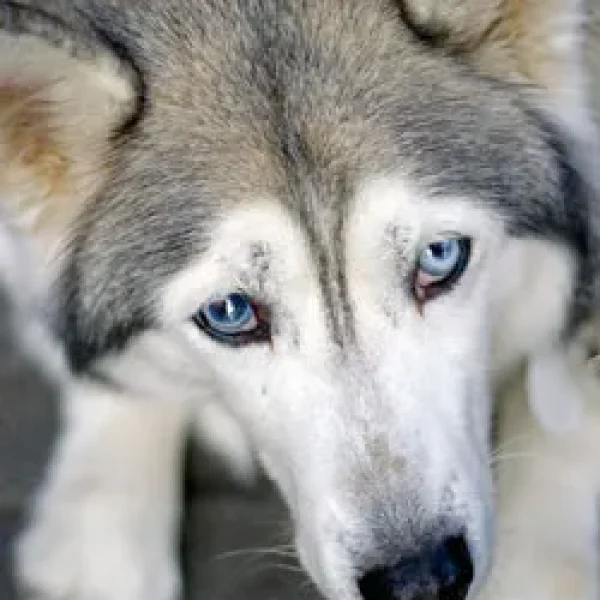
Anisocoria is a condition in which the pupils of the eyes are different sizes; one pupil is larger than the other. Anisocoria is a symptom of an underlying condition or disease that needs to be identified and treated. Prognosis is guarded pending the diagnosis and treatment. Blindness may occur as a result of the underlying condition.
Anemia in Dogs
Anemia is a medical term that refers to a reduced number of circulating red blood cells, hemoglobin, or both. Anemia has a wide variety of causes and appropriate treatments based on the specific cause. Signs of anemia include the loss of the normal pink color of the gums, loss of energy or stamina, weight loss, labored breathing, loss of appetite, a faster than normal heart rate, or signs of blood loss. Several tests are performed to diagnose anemia and additional testing may be required to determine the specific cause. Toxins, infectious diseases, or cancer are some possible causes. Prognosis is variable depending on the underlying cause and how early anemia is diagnosed.
Addison's Disease in Dogsww
Anaphylaxis is an acute severe allergic reaction caused by an overreaction of the body’s immune system to an allergen such as a food protein, medication, vaccine antigen, or other chemical. The most common signs include itching, cutaneous edema, hives, excessive drool, vomiting, diarrhea or respiratory distress. Diagnosis is made based on history and physical exam.
Anal Sac Disease in Dogs
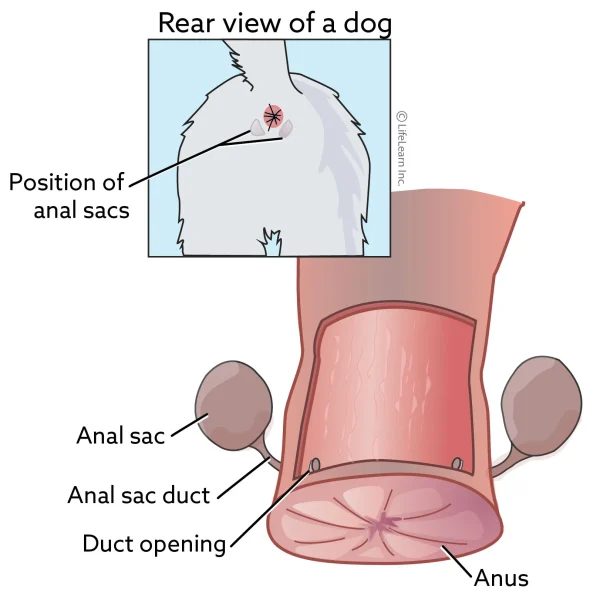
Anal sac disease is a common problem in dogs that can be very uncomfortable or painful. Signs to watch for, diagnosis, and treatments, including identifying and managing underlying causes are outlined in this handout.

FILTER BY SPECIES

FILTER BY TOPIC

Book Now