
Basal Cell Tumors
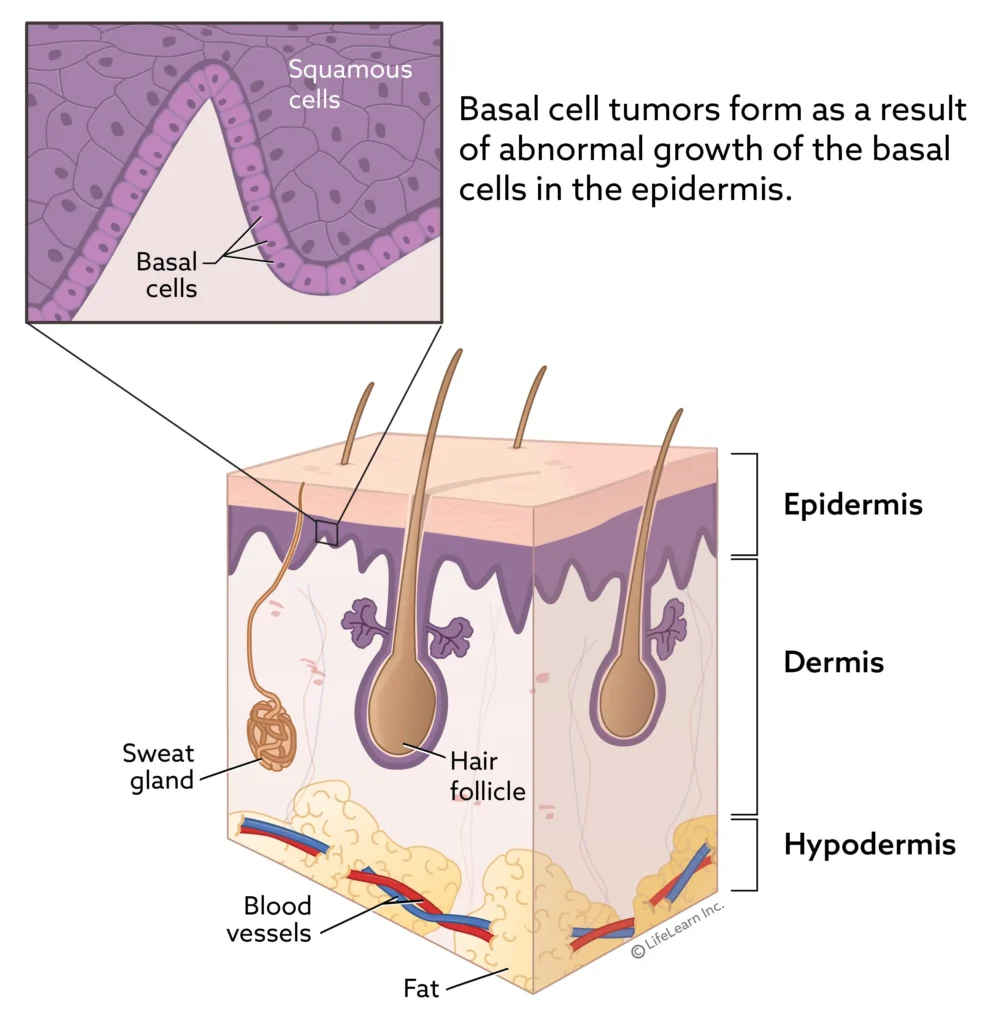
Basal cell tumors are a common type of skin tumor arising from cells in the deeper layers of the skin. They vary in size, from a few centimeters to inches in diameter, and most commonly appear as single, firm, hairless, raised masses in the skin, often on the head, neck, or shoulders. Most of these tumors are benign but removal may still be considered to prevent trauma or secondary infection. Surgical removal is curative in most cases.
Anal Sac Tumors
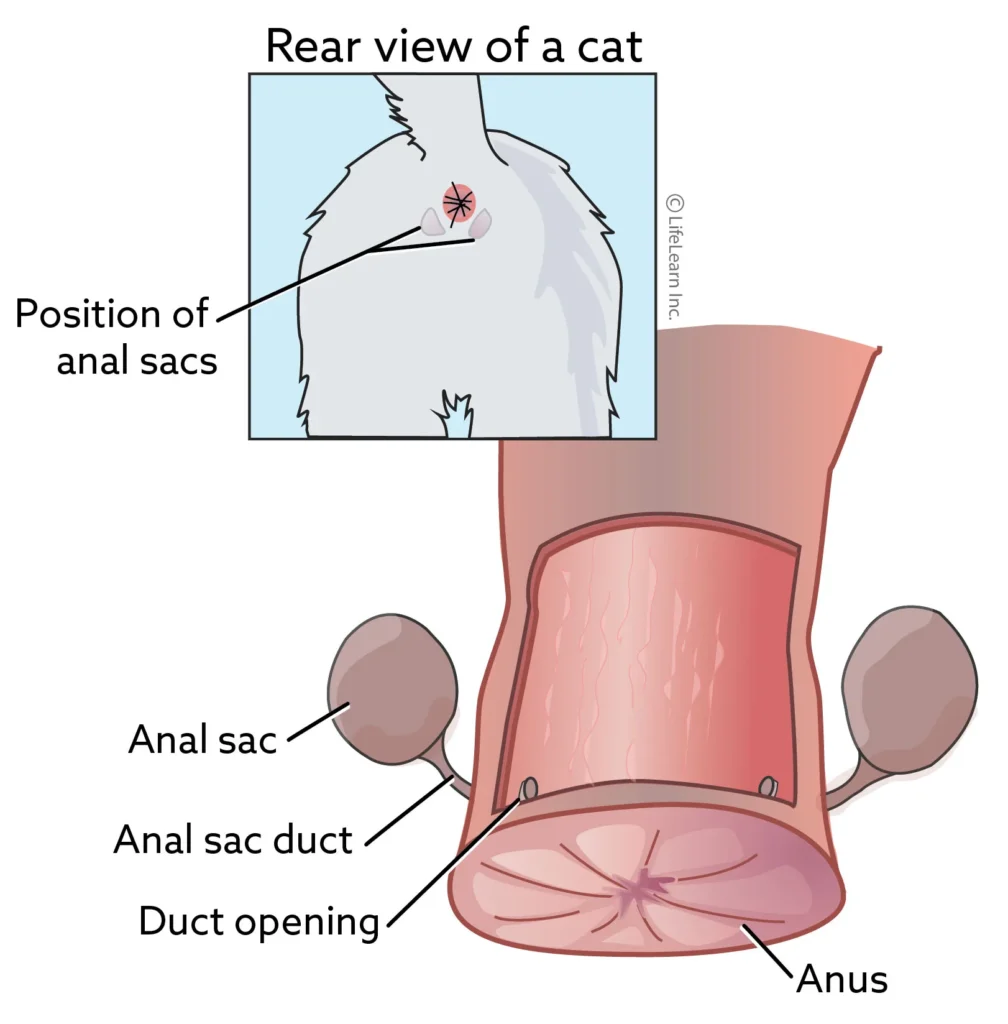
Anal sac tumors grow quickly and have a moderate risk of spreading to other parts of the body. Depending on the tumor’s size, your pet could develop signs of straining to defecate or produce thin ribbon-like stool. An increased calcium level in the blood is consistent with anal sac tumors, which can cause other signs and result in kidney failure. The best and most well-described local treatment for the primary tumor is surgery. Radiation and chemotherapy may be considered if there is evidence of spread.
Adrenal Medulla Tumors
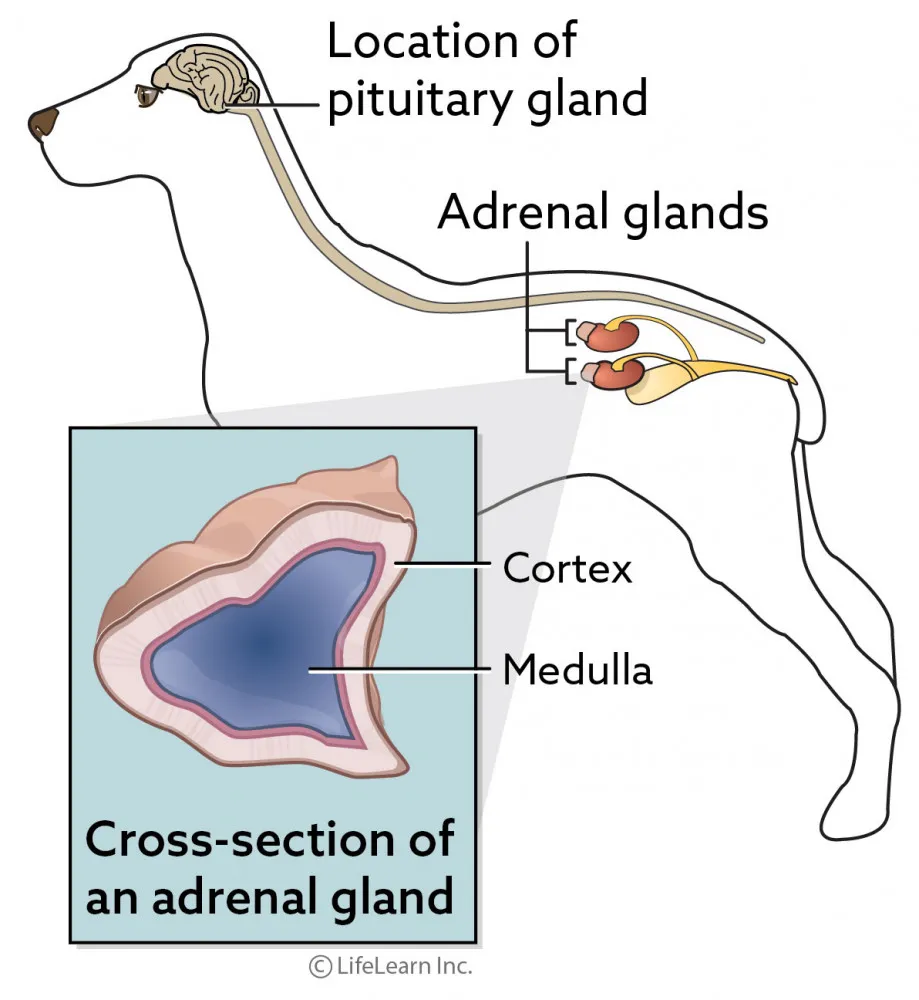
The adrenal medulla is responsible for producing hormones such as epinephrine, norepinephrine, and dopamine. An adrenal medulla tumor is the result of abnormal, uncontrolled growth of the cells that produce these hormones. These tumors may go undetected for a long time and clinical signs may be subtle. These signs could include weakness, excessive panting and restlessness, newly noted anxiety, and an increase in drinking and urination. The biggest concern with these tumors is their ability to continue to grow and invade local tissues, which can make surgical removal difficult or impossible.
Adrenal Cortex Tumors
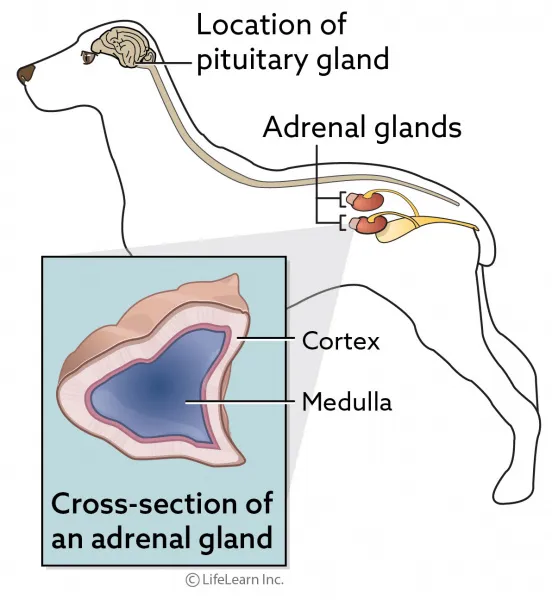
An adrenal cortex tumor is an abnormal growth of cells in the adrenal cortex. These tumors result in overproduction of cortisol and can be malignant (cancerous) or benign. In both cases, an adrenal cortex tumor can cause Cushing’s disease in dogs. Malignant tumors can metastasize to other organs, including the kidneys, lymph nodes, and thyroid gland. The sooner a diagnosis and treatment plan can be determined, the better the outcome for your pet.
Adipose (Lipoma) Tumors
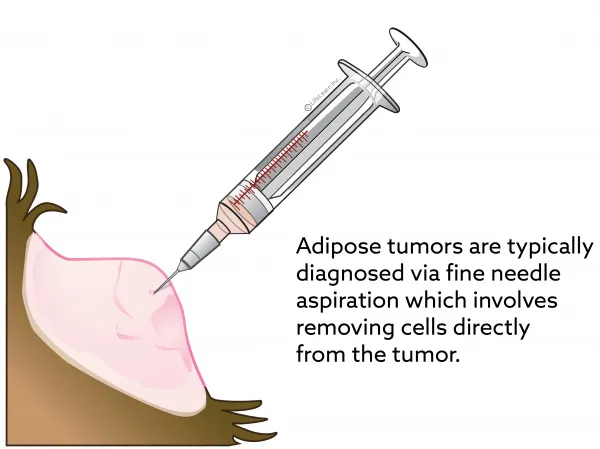
Lipomas are common, usually harmless, tumors of fat that usually show up as a lump under the skin in middle-aged to older animals. Some pets will develop these tumors in their armpit region, between their legs, or around the neck, which can cause discomfort and/or lameness. You may see your pet exhibit an irregular gait, and/or reluctance to stand, walk upstairs, or go for their normal walks. This handout reviews the diagnosis, treatment, and prognosis of lipomas.
Why Dogs Lick Their Privates

Dogs will always lick, but it is sometimes embarrassing when they lick their private parts. Licking after eliminating is normal; however, if your dog licks more frequently, or you notice other signs such as discharge; swollen or red penis, vulva, or anus; pustules; discoloration of the skin; or if your dog strains to urinate, see your veterinarian for help. Appropriate medical therapy can reduce your dog’s discomfort.
Why Do Dogs Have Whiskers?

Whiskers serve many important functions in dogs with regards to sensory inputs. Whiskers help dogs navigate the world and detect changes in their environment. These are some of the most sensitive hairs on the dog’s body.
Why Do Dogs Have Wet Noses?
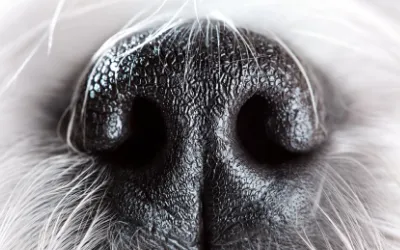
Noses vary in size and shape in the canine world, but regardless of what they look like, they are important to survival. So pay attention to your dog’s nose to help him stay healthy. And enjoy those warm moist snuggles your dog’s nose provides you. A dry nose is not a guarantee of illness. Too much moistness could be a sign of a problem.
The Pros and Cons of Pedigree

Getting a purebred dog comes with some pros and cons. You know what you are getting but also run a higher risk for genetically tied health problems. Do a little research before selecting a new pup, purebred or otherwise, and remember this: whatever you name your dog, you will call him ‘yours’ no matter what he looks like!
Recessed Vulva

A recessed vulva, also referred to as a juvenile or hypoplastic vulva, is a conformational issue that occurs in female dogs. In this condition, the vulva is recessed within, or partially hidden by, surrounding folds of skin. Some dogs might have a recessed vulva for their entire life without ever experiencing any visible effects. In other dogs, however, a recessed vulva can predispose them to vaginitis and/or urinary tract infections. Depending on the severity of your dog’s clinical signs, medical or surgical options may be used to treat this condition.